

Anxiety is one of the most common mental health conditions, affecting millions of adults each year. While everyone experiences worry or nervousness at times, clinical anxiety goes beyond everyday stress. It can interfere with daily activities, relationships, and overall quality of life. Understanding the signs and knowing when to seek help can make all the difference.
Recognizing the Symptoms
Anxiety manifests differently for everyone, but common symptoms include:
Emotional symptoms:
• Persistent worry or fear that feels difficult to control
• Feeling on edge or restless
• Irritability or feeling easily overwhelmed
• Difficulty concentrating or mind going blank
• Sense of impending danger or dread
Physical symptoms:
• Rapid heartbeat or chest tightness
• Shortness of breath or feeling like you can’t catch your breath
• Muscle tension, especially in the neck, shoulders, or jaw
• Fatigue or trouble sleeping
• Stomach upset, nausea, or digestive issues
• Sweating, trembling, or dizziness
These symptoms may come and go, or they may be present most of the time. The key distinction is whether they interfere with your ability to function in work, relationships, or daily activities.

How Anxiety Is Diagnosed
There’s no single test for anxiety. Diagnosis involves a comprehensive evaluation that typically includes:
Clinical interview: Your psychiatrist or mental health provider will ask about your symptoms, how long they’ve been present, and how they affect your life. They’ll also review your medical history and any family history of anxiety or other mental health conditions.
Symptom assessment: Standardized questionnaires help quantify the severity of your symptoms and identify specific anxiety disorders, such as generalized anxiety disorder, panic disorder, or social anxiety disorder.
Medical evaluation: Because some physical conditions (like thyroid problems or heart conditions) can mimic anxiety symptoms, your provider may recommend basic lab work to rule out other causes.
The goal is to understand your unique experience and determine the most appropriate treatment approach.
Treatment Options
Effective treatment for anxiety often involves a combination of approaches tailored to your specific needs:
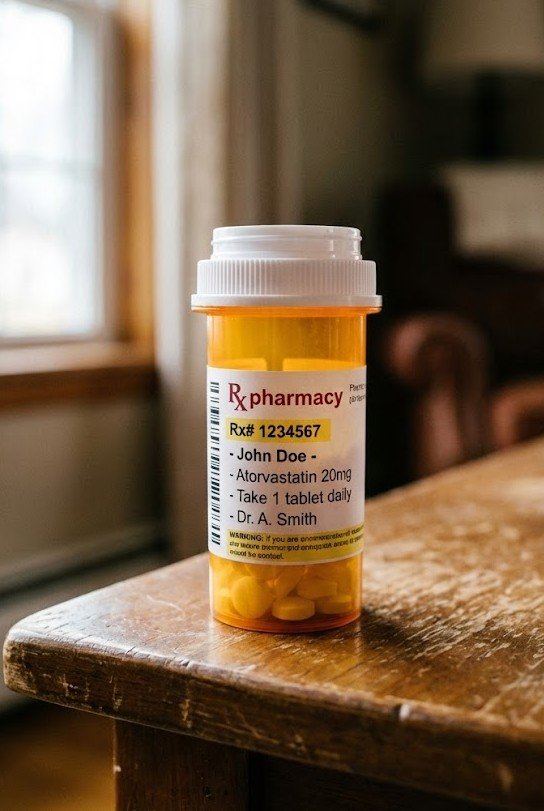
Medication:
• SSRIs and SNRIs (such as sertraline, escitalopram, or venlafaxine) are first-line medications that help regulate brain chemistry over time
• Buspirone is a non-addictive anti-anxiety medication that can be helpful for some people
• As-needed medications like hydroxyzine are often tried before benzodiazepines which can be addictive and are not typically recommended for long-term use

Therapy:
• Cognitive Behavioral Therapy (CBT) helps you identify and change thought patterns that fuel anxiety
• Exposure therapy gradually helps you face feared situations in a controlled, supportive way
• Mindfulness-based approaches teach skills to manage worry and stay present
Lifestyle modifications:
- Regular exercise, which has been shown to reduce anxiety symptoms
- Sleep hygiene practices to improve rest
- Limiting caffeine and alcohol
- Stress management techniques like deep breathing or progressive muscle relaxation

Many people benefit most from combining medication with therapy, especially in the initial stages of treatment.
When to Seek Help
Consider reaching out to a mental health professional if:
- Anxiety interferes with work, school, or relationship
- You’re avoiding activities or situations because of fear or worry
- Physical symptoms (like chest pain or shortness of breath) are frequent or concerning
- You’re using alcohol or other substances to cope with anxiety
- You’re experiencing panic attacks
- Anxiety symptoms have persisted for several weeks or are getting worse
You don’t need to wait until anxiety becomes severe to seek help. Early intervention often leads to better outcomes.
Frequently Asked Questions
Is anxiety the same as stress?
Not exactly. Stress is typically a response to an external trigger (like a deadline or conflict) and tends to resolve when the situation passes. Anxiety often persists even without a clear trigger and can feel more generalized and ongoing. However, chronic stress can contribute to the development of an anxiety disorder.
Will I need to take medication forever?
Not necessarily. Some people benefit from medication for a few months to a year while they learn coping skills through therapy. Others find that longer-term medication helps them maintain stability. Treatment is individualized, and the goal is always to use the lowest effective dose for the shortest necessary time, while ensuring you have the tools to manage symptoms.
Can anxiety ever go away completely?
Many people experience significant improvement or full remission of symptoms with proper treatment. While some individuals may always have a tendency toward anxiety, effective treatment can help you manage symptoms so they no longer interfere with your life. Learning